Have you ever wondered what gives towering skyscrapers their unshakable strength or enables massive bridges to span great distances? The answer often lies in a material that combines strength, durability, and cost-effectiveness: structural steel. This engineering marvel has become the backbone of modern construction, offering unparalleled performance that shapes our built environment.
What Is Structural Steel Manufacturing?
Structural steel manufacturing is a precision-driven process that transforms raw steel into customized components through cutting, bending, shaping, and assembly. This industrial process requires specialized heavy equipment and technical expertise to produce structural elements that meet exact design specifications while complying with rigorous industry standards.
The Intricate Process of Structural Steel Manufacturing
Creating structural steel components involves multiple critical stages, each contributing to the final product's strength and reliability:
1. Design Phase: Creating the Blueprint
Engineers use advanced CAD software to develop detailed designs that specify dimensions, material requirements, and welding specifications. This stage includes comprehensive calculations to ensure structural integrity, along with creating material and process documentation for manufacturing.
2. Material Selection: Choosing the Right Steel
The manufacturing process begins with selecting appropriate steel grades—typically carbon steel or high-strength low-alloy steel—based on mechanical properties, weldability, and project requirements. Steel is sourced in standard or custom lengths from qualified suppliers.
3. Cutting: Precision Shaping
Advanced cutting techniques transform steel into required shapes and sizes. Options range from manual cutting for simple tasks to computer-controlled methods like plasma cutting, waterjet cutting, or laser cutting for complex, high-precision work.
4. Shot Blasting: Surface Preparation
High-velocity steel particles clean and texture steel surfaces, removing contaminants while improving paint adhesion and fatigue resistance—a crucial step before further processing.
5. Bending: Forming Structural Shapes
Specialized equipment like press brakes or rolling machines bend steel to specified angles and curves. Techniques vary for different profiles (beams, tubes, etc.), requiring careful control to prevent material stress.
6. Punching: Creating Connection Points
Holes are precisely punched or drilled for bolted connections. Computer-controlled punching machines ensure accurate hole placement according to engineering drawings.
7. Welding: Permanent Assembly
Skilled welders join components using appropriate methods (MIG, TIG, or submerged arc welding) based on material thickness and structural requirements. Strict quality control ensures weld integrity.
8. Quality Assurance: Verifying Excellence
Comprehensive testing—including dimensional checks, visual inspections, and non-destructive testing (ultrasound, X-ray)—guarantees component quality before proceeding to finishing.
9. Surface Treatment: Corrosion Protection
Protective coatings (paint, galvanizing, or powder coating) are applied based on environmental exposure requirements, significantly extending service life.
10. Delivery & Installation: Final Placement
Components are carefully transported and erected using cranes, with final connections made via bolting or field welding according to engineered specifications.
Why Structural Steel Dominates Construction
-
Strength-to-weight ratio:
Supports heavy loads with relatively lightweight components
-
Cost efficiency:
Competitive material and lifecycle costs
-
Design flexibility:
Accommodates complex architectural requirements
-
Prefabrication benefits:
Faster on-site assembly with factory-controlled quality
-
Sustainability:
Fully recyclable with low environmental impact
Structural Steel Applications
-
Commercial construction:
High-rises, stadiums, and industrial facilities
-
Infrastructure:
Bridges, transmission towers, and wind turbines
-
Industrial:
Mining equipment, offshore platforms, and material handling systems
Understanding Cost Factors
Structural steel pricing (typically $1,200-$3,000/ton) depends on:
-
Project scale and complexity
-
Steel grade specifications
-
Fabrication requirements
-
Transportation logistics
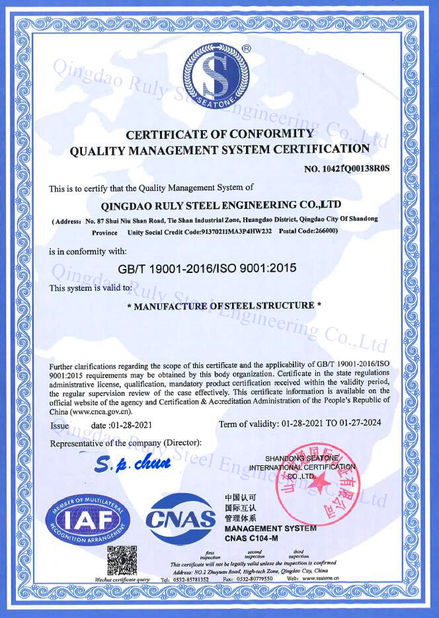
When selecting suppliers, consider their technical capabilities, quality certifications, and project experience alongside cost factors to ensure optimal value.


 Your message must be between 20-3,000 characters!
 English